Music as a Bridge
Playing Who I Am - My Identity
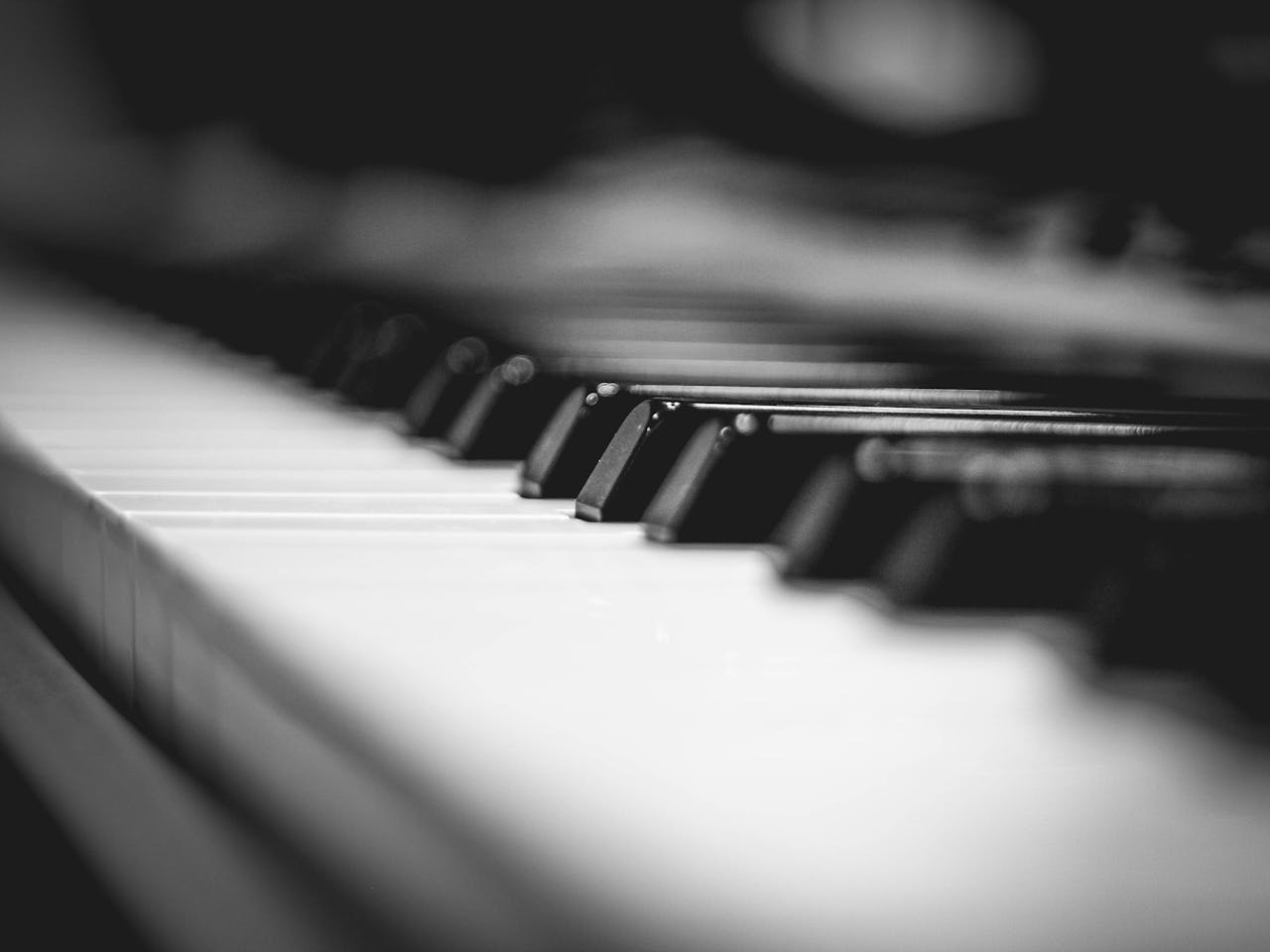
Music is part of who I am — Music identifies me. It acts as a language and a bridge to emotions. When I play the piano, whether interpreting Debussy or composing themes, I’m building pathways between feeling and understanding. Singing during outreach events or guitar ensemble or band rehearsals allow me to connect in ways that words alone cannot. My voice becomes a thread that binds Science, Story, and Soul. With the guitar, I find spontaneity and expressive, often using it to reflect or collaborate.
Music also helps me understand myself. When I pick up the trumpet, I feel a surge of clarity and boldness – it’s loud, direct, and demands presence. Each performance becomes a way to reach across boundaries. The piano reflects my introspection and precision; my leadership and conviction. Singing reveals my desire to connect and uplift, while the guitar speaks to my warmth and adaptability. These instruments aren’t just tools – they are facets of my identity, each helping me express myself.
Through music, I have marked growth, challenge and transformation. It is how I celebrate discovery, process uncertainty, and share joy. In every note, I am not just performing, but I find that I am revealing who I am. My identity.
Music also helps me understand myself. When I pick up the trumpet, I feel a surge of clarity and boldness – it’s loud, direct, and demands presence. Each performance becomes a way to reach across boundaries. The piano reflects my introspection and precision; my leadership and conviction. Singing reveals my desire to connect and uplift, while the guitar speaks to my warmth and adaptability. These instruments aren’t just tools – they are facets of my identity, each helping me express myself.
Through music, I have marked growth, challenge and transformation. It is how I celebrate discovery, process uncertainty, and share joy. In every note, I am not just performing, but I find that I am revealing who I am. My identity.
Social Sciences and Southeast Asian music
To me, music speaks to how culture, identity, and history are shaped. In recent years (it all started from my MEP journey), I became interested in Southeast Asian piano compositions, as it often reflects the region’s complex social narratives: from colonial legacies to indigenous traditions, migration and modern hybridity etc. I started exploring piano pieces, for example by Singaporean composer Leong Yoon Pin or Filipino composer Lucio San Pedro blend Western classical forms with local melodies and cultural motifs. These works reveal how Southeast Asian societies have negotiated identity, modernity, and memory through music. Studying and performing these pieces allows me to engage with questions central to the social sciences: How do communities preserve tradition while embracing Change and how does music reflect belonging?
When I interpret these works at the piano, I feel that I am participating in a dialogue across time and place. This connection deepens my approach to Education and Outreach: I can use music to spark conversations about history, culture, and social transformation, especially in Southeast Asia’s richly layered context.
Teaching Music for healing
Project Bisrama: Volunteer
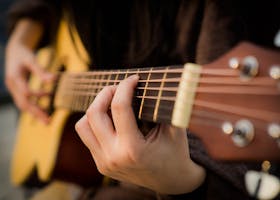
The project sought to share the wonders of music with primary school children at Pertapis Children’s Home through the guitar, allowing children who were victims of abuse to heal through music’s ability to form connections and express themselves. This was done via conducting face-to-face lessons with the children weekly.
Music as Inpiration - Terusan Recreation Centre - Volunteer Performer -
The project sought to share our passions for the performing arts with migrant workers through a combined performance. I conducted and led the performance

Music Elective Program
Closely linked to my research paper, I have also dwelves into the Southeast Asian Music. My interest in this area started since my Music Elective Program days. Learnt not just about Western music, but also about world music (e.g. chinese, gamelan and malay traditions) and learnt to appreciate the diverse and vast world of traditional music beyond prescribed boxes.
Performances sharing
Returning to the stage after three years away from piano was like unlocking a room I once knew intimately, only to find the furniture rearranged and the light unfamiliar. As a Grade 8 pianist and Grade 6 trumpet player, I had once lived in the rhythm of rehearsals and the precision of performance. But time had softened the edges of that confidence, and stepping back into the spotlight felt like facing an old friend whose name I’d momentarily forgot.
Yet as the music began to flow, I realized that mastery never truly disappears; it waits patiently beneath the surface, ready to rise when called. The fear was real, but so was the joy—the quiet thrill of rediscovery, the pulse of adrenaline, the reminder that music is not just technique, but emotion. And in that moment, I wasn’t just a pianist or a trumpet player. I was an artist finding my passion again.
The audience couldn’t see the internal battle, but I felt every tremor in my fingers as a reflection of the courage it took to return.
Yet beneath the fear was something deeper: a quiet determination. I knew I wasn’t the same pianist I was before, but then, I had alwsays been passionate about piano. Each note I played was a step forward, a reminder that growth isn’t always linear and that bravery often looks like showing up when you’re unsure. The stage didn’t just test my skill—it reminded me of my resilience, my passion, and the power of rediscovery. That was only the first step. I will continue to pursue my passion in piano, either on stage or just playing for my family & friends.